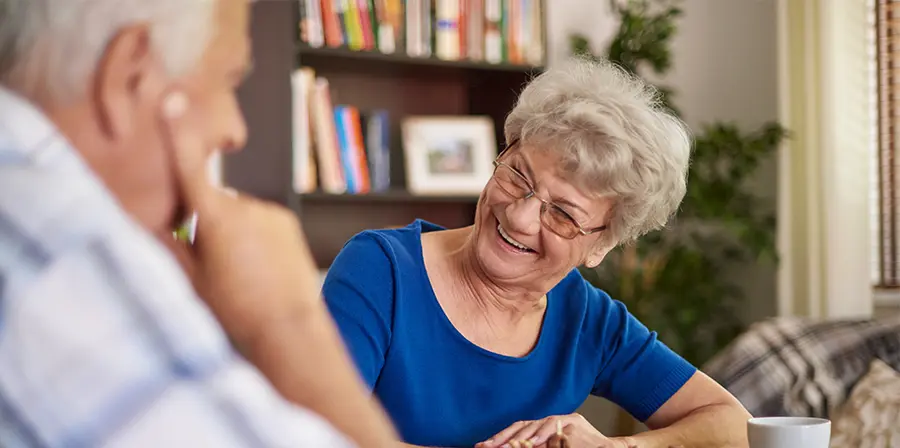
While technology has made it easier to "stay connected," it's no substitute for genuine human interaction. This is where companion care makes a profound difference. Let's explore how companion caretakers help combat senior loneliness and why this service is about so much more than just having someone in the house.
The Loneliness Epidemic Among Seniors
Several factors contribute to increasing loneliness among older adults. Retirement can mean the loss of daily social interactions with colleagues. Adult children often live far away or are busy with their own families and careers. Friends and spouses may pass away, shrinking social circles. Mobility issues or loss of driving privileges can make it difficult to get out and socialize. Health problems may limit participation in activities once enjoyed.
The COVID-19 pandemic exacerbated these issues, with many seniors experiencing extended periods of isolation. Even as restrictions have lifted, many have struggled to rebuild their social connections.
Why Loneliness is a Health Crisis
Loneliness isn't just an emotional issue – it has serious physical health implications. Research has shown that chronic loneliness increases inflammation in the body, weakens the immune system, raises blood pressure and stress hormones, and accelerates cognitive decline. Some studies suggest that loneliness has a health impact equivalent to smoking 15 cigarettes a day.
Beyond physical health, loneliness significantly impacts mental well-being. It increases the risk of depression and anxiety, contributes to feelings of hopelessness or lack of purpose, and can lead to decreased motivation for self-care. Lonely seniors may neglect their nutrition, medication routines, and physical activity.
How Companion Care Makes a Difference
Companion care directly addresses loneliness through consistent, meaningful human connection. Here's how:
Regular, Reliable Social Interaction: Unlike occasional visits from family or friends, companion care provides scheduled, consistent social contact. This reliability gives seniors something to look forward to and creates a comforting routine. The predictability of regular visits reduces anxiety and provides structure to their days.
Genuine Friendship: The best companion caretakers don't just show up – they build real relationships with their clients. They learn about their interests, preferences, life stories, and personalities. This isn't transactional; it's authentic companionship. Many seniors describe their companion caretakers as friends who happen to also help with practical tasks.
Shared Activities and Engagement: Companion caretakers engage in activities that bring joy and mental stimulation. This might include playing board games or cards, working on puzzles together, reading books or sharing stories, enjoying music or watching favorite shows, working on crafts or hobbies, or taking walks or outings to parks or museums. These shared experiences create meaningful memories and give seniors engagement beyond passive entertainment.
Connection to the Broader Community: Companion caretakers help seniors stay connected to their communities by providing transportation to religious services, community centers, or senior programs. They facilitate visits with friends and family, encourage participation in local events and activities, and help maintain important social relationships. This outward connection prevents the isolation that can occur when seniors become homebound.
Emotional Support and Active Listening: Sometimes, the most powerful thing companion caretakers provide is simply being there to listen. They offer a sympathetic ear without judgment, validate feelings and experiences, provide emotional support during difficult times, and offer companionship during transitions or losses. For many seniors, having someone who genuinely cares about their day and their feelings is invaluable.
Combating the Shame of Loneliness: Many seniors feel ashamed to admit they're lonely, fearing they'll be seen as burdensome or pathetic. Companion care normalizes the need for social connection and removes the stigma. It's a professional service, which can make it easier for proud, independent seniors to accept.
Real Stories, Real Impact
Consider Margaret, an 82-year-old widow whose children live out of state. After her husband passed, she spent most days alone in her apartment, rarely leaving except for doctor's appointments. Her daughter arranged for companion care three times a week.
Margaret's companion caretaker, Susan, learned that Margaret loved gardening but had given it up due to limited mobility. Susan helped Margaret create a small container garden on her balcony. They spent their time together tending the plants, chatting about Margaret's childhood on a farm, and occasionally taking trips to the local garden center. Margaret's daughter reported that her mother seemed more alert, happier, and more engaged with life. Her physical health improved too – she was eating better and had more energy.
Or take Robert, a 76-year-old veteran living alone after a stroke. He became withdrawn and depressed, refusing most social invitations. His companion caretaker, James, discovered Robert's passion for woodworking. James encouraged Robert to teach him basic woodworking skills, accommodating Robert's physical limitations. This role reversal – Robert as teacher rather than care recipient – restored his sense of purpose. Their projects gave Robert something to look forward to, and he began accepting invitations to veterans' events again.
Beyond Loneliness: The Ripple Effects
When loneliness is addressed, the benefits extend far beyond mood improvement. Seniors with regular companionship often experience better medication adherence, improved nutrition and self-care, increased physical activity, better cognitive function, reduced hospitalizations, and greater overall life satisfaction. Family members also benefit, experiencing less guilt and worry knowing their loved one has consistent support and companionship.
Choosing the Right Companion Care
Not all companion care is equal. When selecting a service, look for caretakers who are genuinely interested in building relationships, not just completing tasks. Ensure matching is done thoughtfully, considering personalities and interests. Verify that caretakers receive training in communication, empathy, and working with seniors. Confirm consistency – the same caretaker whenever possible helps build trust and friendship.
Taking Action
If you have a loved one who seems lonely, withdrawn, or isolated, don't wait. Loneliness compounds over time, and the health impacts are serious. Companion care can be the bridge that reconnects your loved one to joy, purpose, and community.
Start with a conversation. Talk to your loved one about how they're feeling and what they miss. Many seniors don't realize how much they've withdrawn until asked directly. Then, explore companion care options together. Framing it as gaining a friend rather than accepting help can make the idea more palatable.
Remember, asking for companion care isn't admitting defeat – it's choosing connection, health, and quality of life. We all need meaningful relationships and social interaction. Companion care simply ensures that seniors, who may face more barriers to maintaining these connections, don't have to face loneliness alone.